How Milestone Achievements Alter Participation Dynamics in Virtual Sports Forecasting Communities
Lars Keller · Nov 12, 2026
How Milestone Achievements Alter Participation Dynamics in Virtual Sports Forecasting Communities
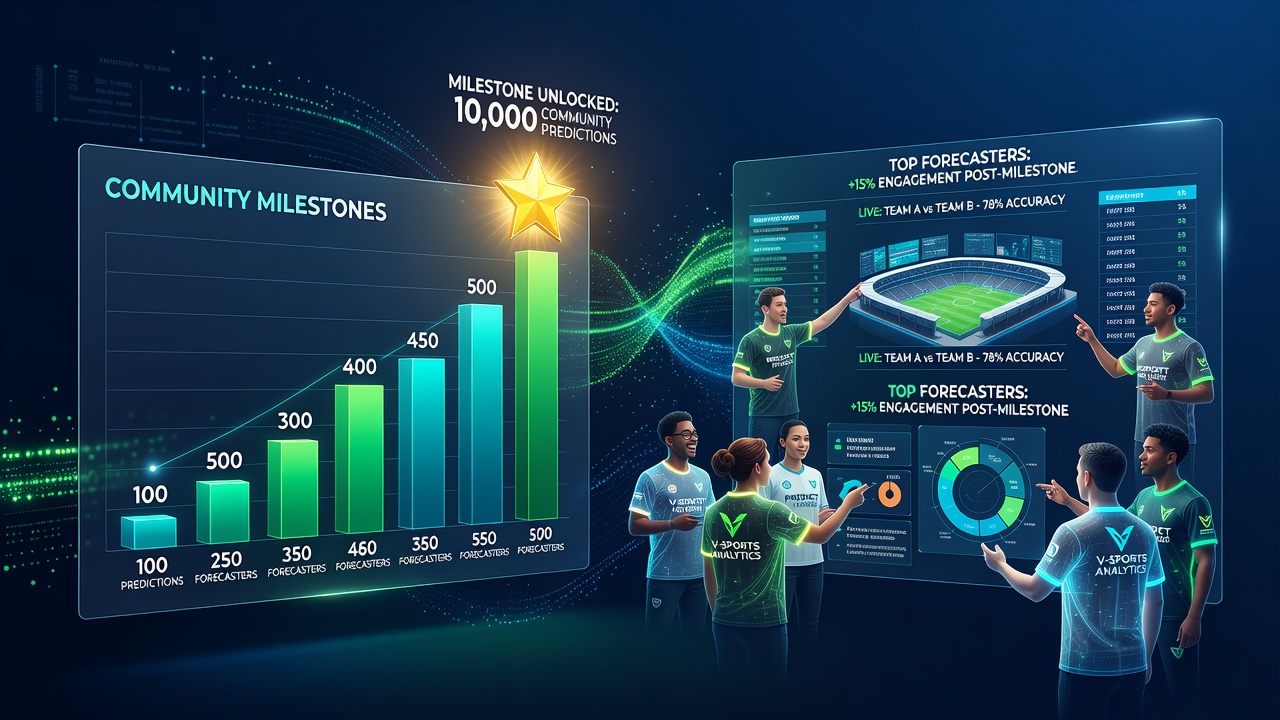
Virtual sports forecasting communities have incorporated milestone achievements such as prediction streaks, accuracy badges, and tiered ranking systems that track user performance over time, and these features have shifted how participants interact with platforms and each other. Data from multiple forecasting sites indicate that users who reach early milestones tend to increase their activity levels within the first month, while those without visible progress markers often reduce their involvement after initial sessions. Researchers at institutions tracking online community metrics have observed these patterns across platforms that combine sports data with gamified elements, particularly in markets where regulatory oversight permits structured prediction contests.
Mechanics of Milestone Systems in Forecasting Platforms
Platforms implement milestone achievements through automated tracking of metrics including consecutive correct forecasts, total predictions submitted, and community interaction points earned through shared insights or league participation. When users complete a streak of five accurate game outcomes, the system grants a badge that appears on their profile and contributes to a visible leaderboard position, which in turn influences visibility within group discussions. According to figures compiled by the Fantasy Sports and Gaming Association, platforms that introduced these layered reward structures saw average session durations extend by measurable margins compared with earlier versions that lacked achievement displays. The systems also integrate seasonal resets that carry forward certain milestone statuses, allowing long-term participants to maintain status across calendar periods while new entrants start from baseline levels.
Observers note that milestone categories frequently differentiate between skill-based achievements, such as maintaining high accuracy percentages over extended periods, and volume-based markers that reward consistent participation regardless of outcome precision. This distinction matters because data collected through platform analytics reveal that volume milestones draw in broader user segments, whereas accuracy-focused badges concentrate engagement among smaller cohorts who already demonstrate stronger predictive records. In November 2026, several major forecasting sites reported updated achievement frameworks that incorporated team-based milestones, where collective group accuracy triggered shared rewards for all members.
Changes in User Retention and Activity Patterns
Participation dynamics shift when milestone progress becomes visible to others, because users adjust their forecasting frequency to protect or advance their standing on public leaderboards. Studies conducted on aggregated user datasets show that individuals who unlock at least one milestone within their first ten sessions maintain platform activity at rates nearly double those of users who reach no milestones during the same timeframe. The effect compounds when platforms send automated notifications about approaching achievements, prompting additional predictions before deadlines or match windows close.
Longitudinal tracking further indicates that milestone attainment correlates with transitions from sporadic to habitual usage, with participants logging in on non-event days to check progress or review historical forecasts. Platforms that publish monthly achievement distribution reports document steady growth in the percentage of users holding multiple active milestones, particularly during periods when major sporting events cluster together. These reports also highlight geographic variations, with North American and Australian user bases showing faster milestone accumulation compared with European cohorts during overlapping seasons.
Social and Competitive Interactions Within Communities
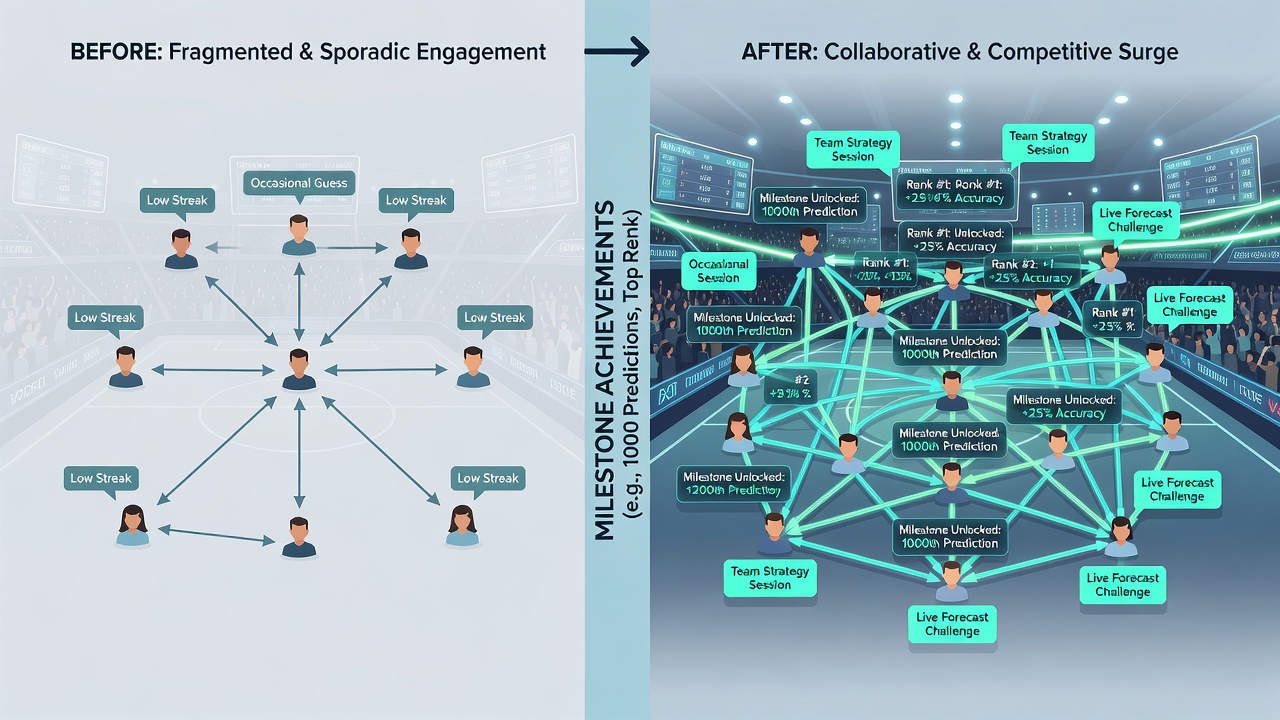
Milestone visibility influences social dynamics because users form alliances or rivalries around shared achievement goals, and these connections alter the flow of information exchange in forums and chat channels. Participants who hold advanced milestones often receive more requests for forecast explanations or strategy discussions, which elevates their role within the community hierarchy. Research compiled from platform interaction logs demonstrates that threads referencing milestone progress generate higher reply volumes than general prediction topics, suggesting that achievement framing sustains conversation threads longer than unadorned outcome discussions.
Group-based milestones introduced in late 2026 have encouraged coordinated forecasting efforts where members pool insights to reach collective targets, and these collaborations have produced measurable increases in cross-user data sharing. Industry analyses from organizations monitoring digital entertainment trends note that such group mechanics reduce dropout rates among newer members who receive support from milestone-holding participants. At the same time, competitive pressure around individual milestones can lead some users to limit their public sharing of predictions until after events conclude, preserving strategic advantages for personal progress.
Platform-Level Adjustments and Data Trends
Platform operators respond to milestone-driven participation changes by refining achievement criteria and introducing new categories based on observed user behavior patterns. When data indicate that certain milestones prove too difficult for most participants, operators adjust thresholds or add intermediate steps to maintain engagement momentum. Conversely, milestones that users reach too quickly receive expanded requirements in subsequent updates to preserve perceived value. These iterative adjustments have become standard practice across leading forecasting sites, with change logs frequently referencing user retention metrics as the primary driver for modifications.
External research from academic groups studying digital communities has examined how milestone systems interact with demographic variables, finding that age cohorts and prior experience levels moderate the strength of participation increases following achievement unlocks. Platforms that segment their achievement offerings according to these variables report more balanced distribution of milestone holders across user segments. Continued monitoring through 2026 has shown sustained effects on overall community activity even as individual milestone novelty diminishes, suggesting that the structural presence of achievement tracking itself maintains elevated participation compared with baseline forecasting environments.
Conclusion
Milestone achievements function as structural elements that reshape entry barriers, ongoing engagement levels, and interpersonal dynamics inside virtual sports forecasting communities. Aggregated platform data and external research reports document consistent associations between milestone attainment and extended user activity across multiple regions and time periods. As operators continue to calibrate these systems in response to participation metrics, the resulting frameworks influence both individual forecasting habits and broader community interaction patterns in measurable ways.