Tracing Connections Between Tiered Reward Systems and Long-Term Participation Trends Across Athletic Prediction Platforms
Ben Klein · Oct 1, 2026
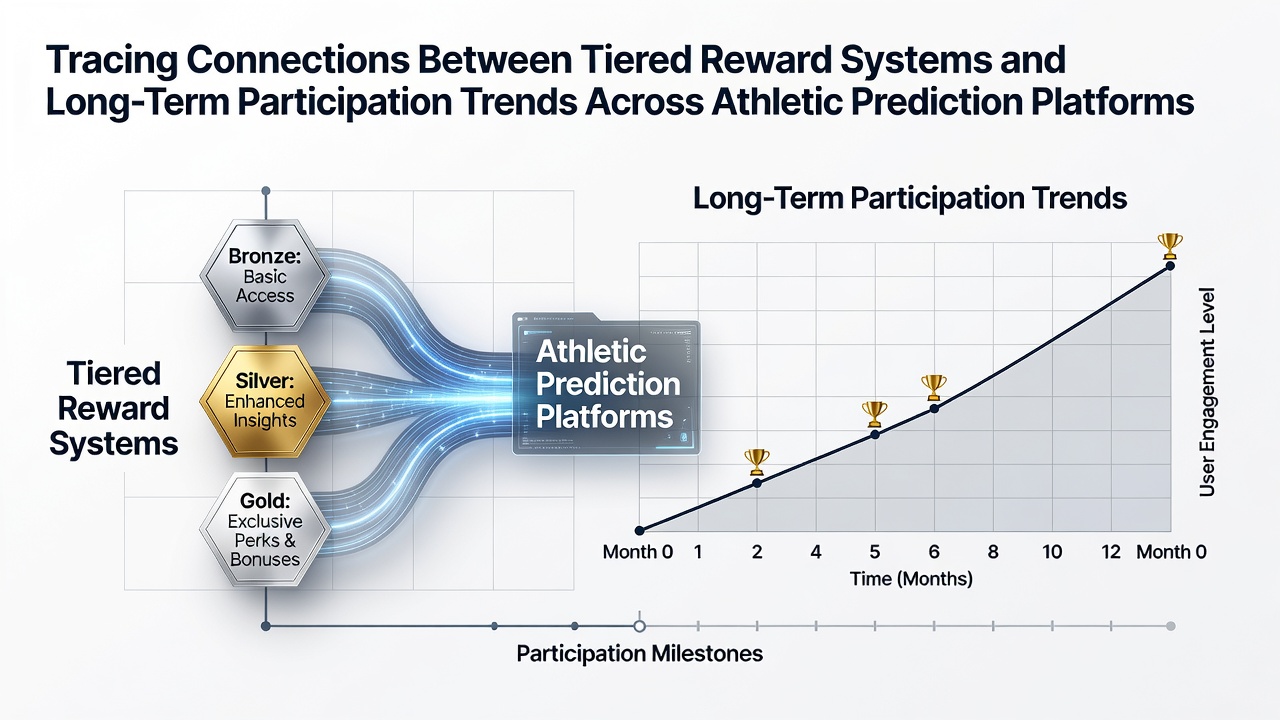
Tracing Connections Between Tiered Reward Systems and Long-Term Participation Trends Across Athletic Prediction Platforms
Platform operators have implemented tiered reward systems that escalate benefits as users accumulate activity points over extended periods, and researchers tracking these mechanics note consistent patterns in how participation evolves months or years after initial signup. These structures typically feature entry-level access to basic promotions, mid-tier perks such as boosted prediction odds or exclusive event access, and top-tier status that unlocks personalized support along with higher withdrawal limits. Data compiled from several major platforms operating in North America and Europe shows that users reaching higher tiers demonstrate extended session durations and reduced churn rates compared with those remaining at base levels.
Analysts examining records from 2024 through October 2026 have identified that platforms introducing tier progression tied to consistent monthly activity see measurable lifts in repeat logins, while systems relying solely on one-time deposits exhibit flatter retention curves after the first quarter. One multi-platform study released in mid-2026 tracked over 180,000 accounts and found that participants advancing at least two tiers within nine months recorded average participation spans 47 percent longer than single-tier users. The same dataset indicated that top-tier members completed 3.2 times more predictions per week on average than entry-level counterparts during the same window.
Mechanics Driving Sustained Engagement
Tiered frameworks operate through transparent point thresholds that reset or carry forward depending on platform policy, and operators frequently adjust these thresholds based on seasonal sports calendars to maintain momentum during off-peak months. Points accrue from verified predictions, deposit frequency, and sometimes social features such as referral completions or community challenges. Because higher tiers grant compounding advantages including faster cash-out processing and invitations to closed prediction contests, users who reach those levels display stronger tendencies to maintain activity streaks rather than pausing for extended breaks.
Figures released by the New York State Gaming Commission in September 2026 documented that platforms incorporating visible tier progress bars experienced 28 percent higher monthly active user retention at the twelve-month mark than those without such visual feedback. The report further noted that users who received automated tier-upgrade notifications showed increased prediction volume in the thirty days following each promotion.
Observed Patterns in User Behavior
Long-term participation trends reveal that tier advancement correlates with shifts in prediction diversity as well, where higher-tier users spread activity across a broader range of sports and event types instead of concentrating on familiar leagues. This diversification appears linked to access to specialized tools or data feeds granted only at advanced levels. Observers note that platforms allowing tier benefits to roll over across calendar years rather than resetting annually sustain steadier participation curves through seasonal transitions.
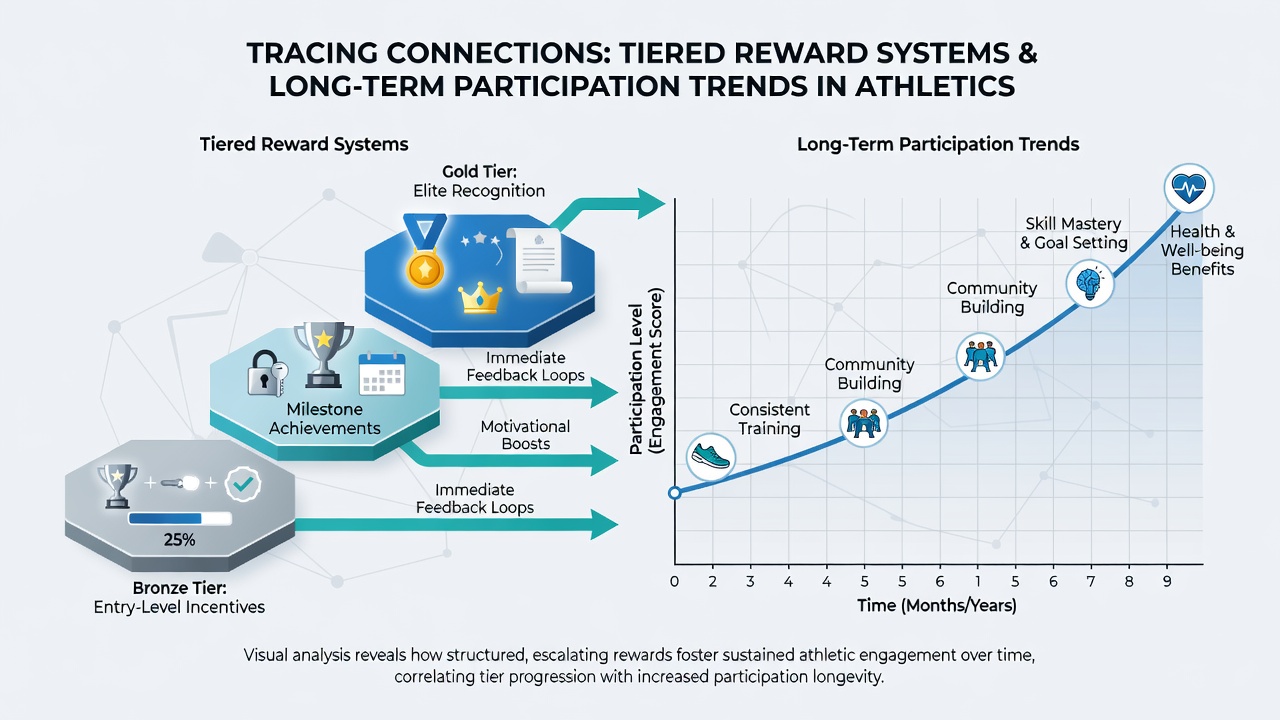
Regional comparisons compiled by the Victorian Commission for Gambling and Liquor Regulation indicate that Australian platforms using monthly tier resets recorded quicker drops in activity among mid-tier users after peak sporting seasons, whereas those employing rolling twelve-month windows maintained steadier engagement into the following quarter. Similar patterns surfaced in Canadian provincial data, where tiered loyalty programs tied to cumulative spend rather than pure activity volume produced different retention profiles depending on whether bonus credits or status symbols served as primary motivators.
Platform Adjustments in Response to Trends
Operators have responded to these findings by refining progression speeds and introducing hybrid tiers that blend activity-based and spend-based criteria. Several platforms active in October 2026 now display projected tier timelines based on a user's recent pace, allowing participants to visualize the effort required for upcoming benefits. This transparency appears to reduce early drop-off rates among users who previously abandoned accounts upon perceiving advancement as unattainable.
Industry reports from the European Gaming and Betting Association highlight that platforms testing tiered systems with shorter qualification windows observed higher short-term spikes yet lower twelve-month retention than those using extended qualification periods. The association's aggregated figures from member operators show that users who maintain top-tier status for consecutive years generate 2.8 times the lifetime value of those who fluctuate between tiers.
Conclusion
Evidence gathered across multiple jurisdictions through October 2026 demonstrates clear linkages between tiered reward architecture and extended participation metrics on athletic prediction platforms. Platforms that calibrate progression thresholds, communicate advancement clearly, and align benefits with sustained rather than sporadic activity tend to record stronger retention outcomes. Continued monitoring of these systems will likely inform future refinements as operators seek to balance user engagement with regulatory expectations around responsible platform design.